City squares articles
Pioneers in establishing companies in Egypt
Buying Property in Oman for Foreigners

Buying Property in Oman for Foreigners
Foreigners can own a home in Oman, but only in set places and under clear rules. The country opened parts of its market to non-Omanis to attract investment. A foreign buyer can now hold property outright inside an approved zone, and even earn residency from the purchase. This guide covers where you can buy, the difference between freehold and usufruct, how a home links to a residency permit, and the steps, costs, and papers involved.
Where Foreigners Can Buy Property in Oman
Foreign ownership of real estate is limited to Integrated Tourism Complexes, known as ITCs. These are government-approved developments where non-Omanis are legally allowed to own homes. Outside these zones, freehold ownership by foreigners is generally not permitted.
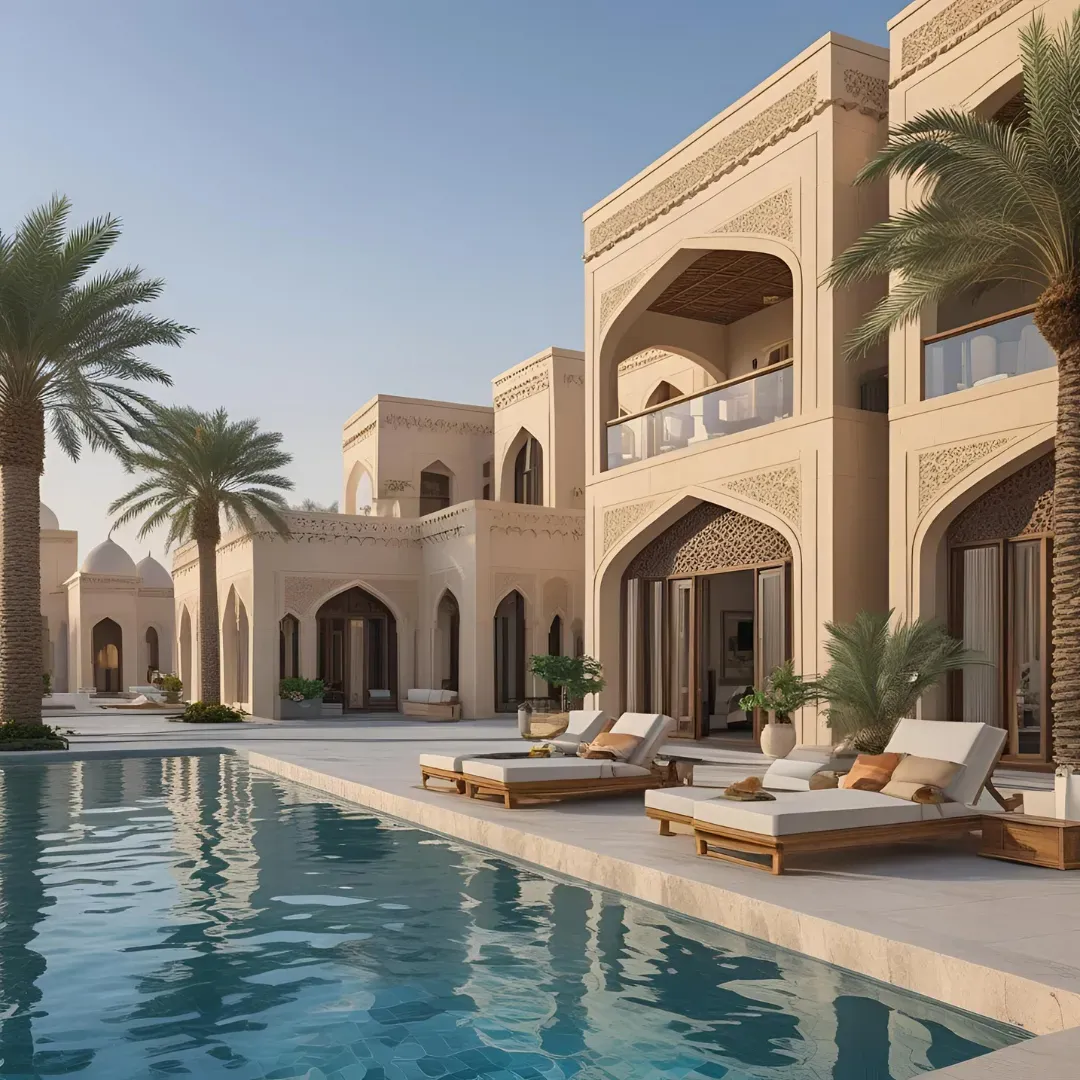
The best-known ITCs are Al Mouj Muscat, also called The Wave, with its marina, golf course and villas. Hawana Salalah is a coastal resort in the south. There are also Madinat Al Irfan in Muscat and mountain homes at Jabal Akhdar. Other approved projects include Muscat Hills, Muscat Bay and Jebel Sifah. Inside these complexes, foreigners mostly buy apartments, townhouses or villas.
The legal basis is Royal Decree 12/2006, the Real Estate Ownership law for these complexes. It sets the terms under which non-Omanis may own inside an ITC. So the first thing to check for any listing is simple: is the development a licensed complex?
Freehold vs Usufruct: What You Actually Own
Inside an ITC you will usually be offered one of two forms of ownership, and the difference matters for resale and inheritance.
Freehold. You own the property and its land outright, with no time limit. You can live in it, rent it out, sell it, or pass it to your heirs. This is full ownership in the way most buyers expect.
Usufruct. This is a long-term right to use the property, commonly granted for up to 99 years with renewal options. It behaves much like ownership day to day: you can occupy, lease or transfer the right. The key distinction is that you hold a long lease over the property rather than the land title outright. Some properties outside ITCs are offered only on this basis.
Before you sign, confirm in writing which of the two you are buying and for how long, because it changes what you can pass on and how easily you can resell.
How a Purchase Links to Residency
Buying inside an approved complex can qualify you and your family for a renewable residency permit, which is one of the main reasons foreigners invest here rather than only rent.
Oman links this to a property value. A purchase of OMR 250,000 or more can earn the buyer a five-year renewable residency. A purchase of OMR 500,000 or more can earn a ten-year renewable permit. The residency can cover your spouse, children and close relatives. In most cases there is no minimum-stay rule to keep it active. These figures have changed over time, so confirm the current ones on the official portal before you rely on them.
For the wider picture, see our guide to real estate residency in Oman and the detail on the minimum investment for a Golden Visa in Oman. If you are weighing a purchase against other routes, our overview of the types of residency in Oman compares the options side by side.
The Buying Process Step by Step
The process is straightforward once you have chosen a property in an approved development.
Find and reserve. Search within an ITC, agree a price with the seller or developer, and sign a memorandum of understanding that sets out the terms.
Clear any no-objection step. Where the development or authority requires it, obtain a no-objection certificate for the sale.
Sign the contract. A sales contract is prepared, usually by a lawyer, and both parties sign it.
Register the sale. The transfer is registered with the Ministry of Housing and Urban Planning, which records the change of ownership.
Complete payment. Payments are made according to the schedule in the contract. On completion the title is issued in your name, and you can then apply for a property-linked residency if you qualify.
Costs and Fees to Budget For
Beyond the price of the property, plan for several transaction costs. Government fees here are set and collected in Omani rials.
Registration and documentation. The Ministry of Housing and Urban Planning charges a fee to register the transfer. The exact amount depends on the property and is set in OMR, so confirm the current rate on the official portal rather than relying on a fixed figure.
Legal fees. A lawyer who drafts and checks the sales contract charges a professional fee. Agreeing it in advance avoids surprises at closing.
Broker commission. If you use a real estate agent, settle the commission before you commit, and get it in writing.
Ongoing service charges. Inside an ITC you will pay recurring charges for utilities such as electricity and water, plus community and maintenance fees. Ask the developer for the current annual figure so it does not catch you out after purchase.
Documents You Will Need
The exact list varies by development and by whether you also apply for residency. In most cases you should have a valid passport, the signed sales contract or purchase agreement, a no-objection certificate where the development needs one, and proof of the agreed payments. If you then apply for a property-linked residency, you also need the registered title deed and the residency forms. Confirm the full list with the developer and the registering authority, since projects differ.
Frequently asked questions
Can foreigners own property anywhere in Oman? No. Foreign ownership is limited to government-approved Integrated Tourism Complexes such as Al Mouj Muscat and Hawana Salalah. Outside these zones, freehold ownership by non-Omanis is generally not allowed.
What is the difference between freehold and usufruct? Freehold is full, open-ended ownership of the property and its land. Usufruct is a long-term right to use the property, often up to 99 years, that behaves like ownership but is a long lease rather than outright land title. Check which one you are buying before you sign.
How much property must I buy to get residency? Oman's property-linked residency route generally sets tiers around OMR 250,000 for a five-year permit and OMR 500,000 for a ten-year permit, both renewable. Confirm the current thresholds on the official portal, as they are updated from time to time.
How long does the purchase take? Once you have chosen a property and agreed terms, the contract and registration can move quickly. Residency processing after the purchase typically takes about three to six weeks. Timelines depend on the development and on how fast the documents are prepared.
Can my family live with me on a property residency? Yes. A property-linked residency can usually include your spouse, children and first-degree relatives, and there is generally no minimum-stay requirement to keep it active.
How City Squares can help
Buying abroad is as much about paperwork as it is about the property. City Squares helps foreign buyers move through the Omani side of the process without guesswork, from checking that a development is an approved ITC to registering the sale and handling the residency application that follows. Our smart administrative services team deals with government registration and official documents on your behalf, and if residency is your goal, our guide to the two-year Oman investor visa explains a related route.
To get started, message City Squares on WhatsApp with the development you are considering and your budget, and we will tell you exactly what the purchase and any residency application will involve.