City squares articles
Pioneers in establishing companies in Egypt
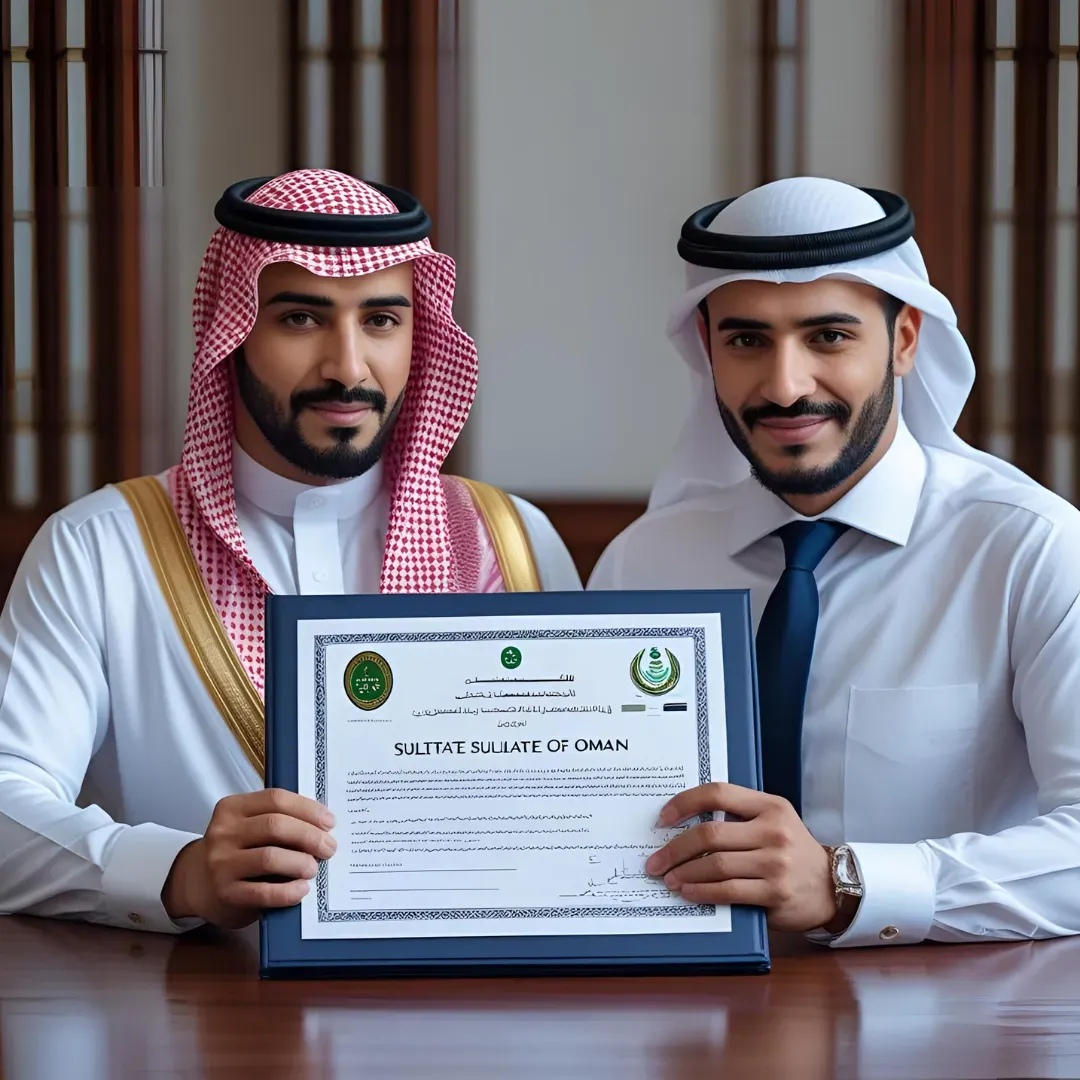
Official Document Attestation Services by the Saudi Embassy

Official Document Attestation by the Saudi Embassy in Muscat
When a document issued in Oman needs to be accepted in Saudi Arabia, it has to be attested first. Attestation is the official confirmation that a certificate, a contract, or a registration is genuine. Without that confirmation, Saudi ministries, courts, and companies will not treat the paper as valid. This guide explains how document attestation by the Saudi Embassy in Muscat works. It covers which documents qualify, why the step matters, the order of authorities, the process, and what you need to bring.
What document attestation means
Attestation, also called authentication or legalisation, is a chain of official stamps. Each authority in the chain confirms the signature and seal of the one before it. The embassy is the final link for any document heading to Saudi Arabia. Its stamp tells Saudi authorities that every earlier signature was checked and is real. The document itself is not rewritten or changed in any way. Only its legal standing across the border is confirmed. Think of it as a passport for a piece of paper: the words stay the same, but now they are recognised on the other side.
Why documents need Saudi Embassy attestation
Business and personal life now cross borders often, and the paperwork has to follow. A Saudi investor who wants to open a company in Oman, or an Omani firm signing with a Saudi partner, needs documents that both sides recognise. Attestation gives that recognition. It lets Saudi investors establish companies in Oman, allows Omani companies to work with Saudi entities, supports hiring talent across the two countries, and keeps contracts legally valid in bilateral deals. A degree, a marriage certificate, or a power of attorney carries no legal weight abroad until the receiving country's embassy confirms it. The stamp turns a local document into one that a Saudi authority will act on. Most people meet this step at a busy moment: a new job offer, a company launch, a move, or a family case. Getting the attestation right the first time keeps that plan on track.
Personal and academic documents that qualify
The embassy attests a wide range of personal records. These include birth certificates, marriage certificates, divorce certificates, and death certificates, along with passports and ID cards used to prove identity. Academic and professional papers are common too. University degrees, academic certificates, professional certificates, and employment experience letters all pass through the same chain. People usually need these attested for study, work, family matters, or residency on the Saudi side. If you are dealing with a diploma or a transcript, our complete guide to degree certificate attestation in Oman walks through that specific route in more detail.
Commercial and business documents that qualify
Companies form the other large group. The embassy attests commercial registration documents, articles of association, and articles of incorporation. It also handles public powers of attorney, commercial contracts, private contracts, board meeting minutes, budget documents, and tax certificates. These papers support company formation, partnerships, tenders, and financial reporting between the two markets. A contract that is fine in Oman still needs the stamp before a Saudi counterparty or a Saudi court will rely on it. Commercial registration is one of the most requested items, and the commercial registration authentication services of the Saudi Embassy in Muscat cover that step on its own.
The attestation chain and why order matters
Attestation moves in a fixed sequence, and skipping a step means starting over. First the original issuer confirms the document. That could be a university, the Ministry of Justice, or the Ministry of Commerce, depending on the paper. Next the Ministry of Foreign Affairs in the issuing country stamps it. Only after that does the Saudi Embassy or Consulate in Muscat add the final attestation. Each authority checks the seal of the one before, so the order cannot change and none of the steps can be skipped. The Ministry of Foreign Affairs step is the one people most often overlook. Our guide to MOFA attestation in Oman and when you need it explains exactly where that stamp fits in the chain.
Step by step through the process
Start by identifying the document type and the authority that issued it, because that decides the first stamp. Get the document authenticated by the original authority if that step is required. Then obtain authentication from the Ministry of Foreign Affairs. Gather the papers the embassy asks for, then submit your request to the Saudi Embassy or Consulate in Muscat. Pay the required fee at submission. Once the review is finished, you collect the certified document. Keep every stamped page together, since a later authority may want to see the full trail. It is worth checking the embassy's working hours and its collection and delivery times before you go, so a closed counter does not cost you a wasted trip.
What you need to bring
Bring the original document already certified by the earlier authorities, plus a clear copy of it. Add a copy of the document holder's passport or ID card so the embassy can confirm identity. Have the certification fee ready in the accepted form. In some cases a letter of request or an authorisation is also needed, especially when someone submits on another person's behalf. A missing item is the usual reason a file is sent back, so check the list twice before you travel to the counter. A quick look at which certificates are authenticated by the Saudi Embassy in Oman can confirm your document is eligible before you begin.
Frequently asked questions
How long does attestation take? Processing times are not fixed. They depend on the document type and the embassy's current workload, so confirm the expected timeframe when you submit and ask about collection times at the same visit.
How much does it cost? The embassy charges a fee at submission. The amount depends on the document, so confirm the current fee with the embassy or your service provider before you go rather than relying on an old figure.
Can I skip the Ministry of Foreign Affairs step? No. The embassy only attests documents that already carry the Ministry of Foreign Affairs stamp, because it verifies that seal. Skipping the step means the file is returned and you have to start again.
Do I need the original document or is a copy enough? You need the certified original plus a copy. The embassy checks the original and keeps the copy on file, and it also asks for a copy of the holder's passport or ID card.
Can someone submit documents for me? Yes, in many cases. You will usually need to provide a letter of request or an authorisation so the embassy accepts the submission from a representative acting on your behalf.
How City Squares can help
Attestation is simple in theory and slow in practice, because one wrong order or one missing copy sends you back to the start. City Squares handles the full chain for you, from the first authority through the Ministry of Foreign Affairs to the counter at the Saudi Embassy in Muscat. Our team knows which stamp each document needs and in what order, so your papers are not turned away. You can see the full scope on our Saudi Embassy services in Muscat page. Send us a message on WhatsApp with your document type, and we will tell you the exact steps and get your attestation moving.